The Fusion Horizon: From Scientific Breakthroughs to Commercial Power
Feature • Science & Innovation • September 2025

Introduction
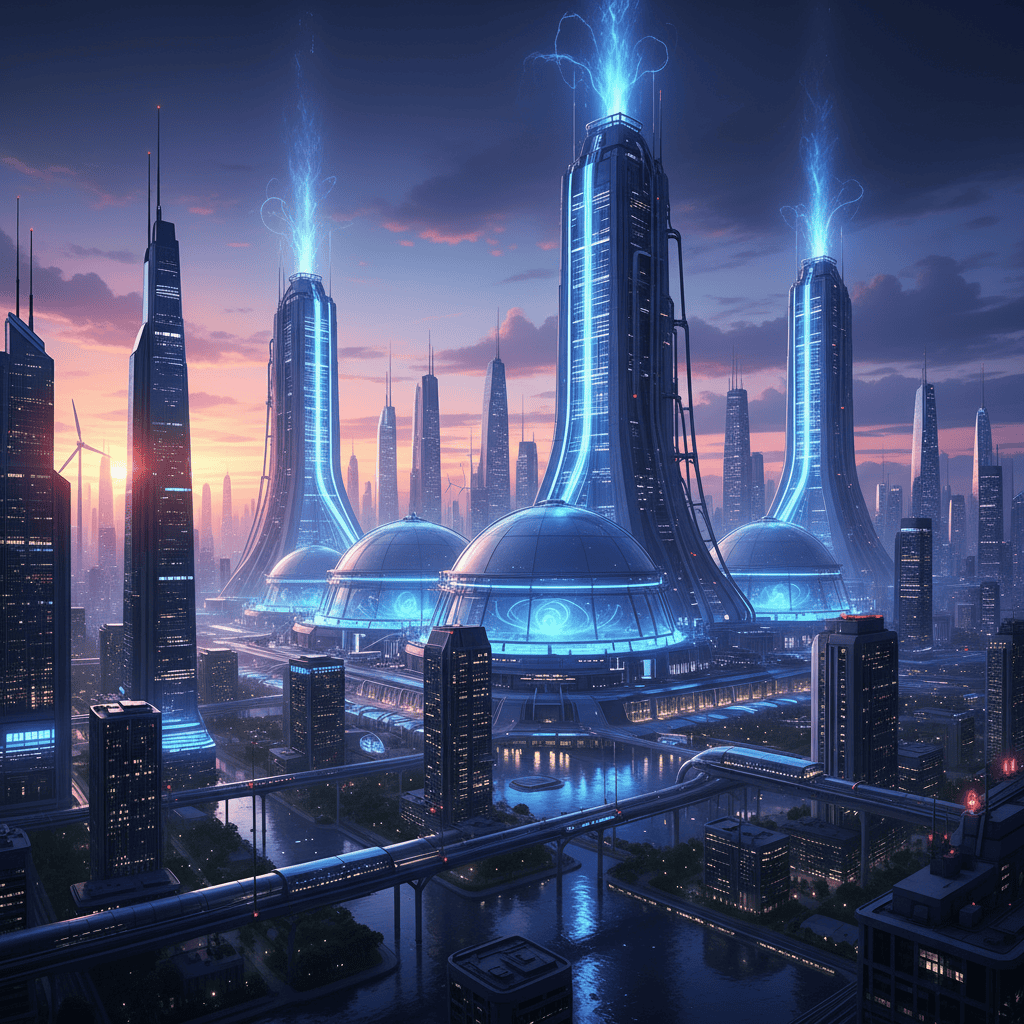
Imagine a power source as dense as the stars, capable of delivering abundant clean electricity without the toxic byproducts of today’s fuels. For decades, nuclear fusion lived on the horizon—always “thirty years away.” But the horizon is moving closer. Breakthroughs in magnets and materials, new AI controllers for volatile plasmas, billions in private capital, and clearer regulation have turned fusion from thought experiment to technology race. This piece maps that race—how science, engineering, markets, and geopolitics are converging to bring a star into the power grid.
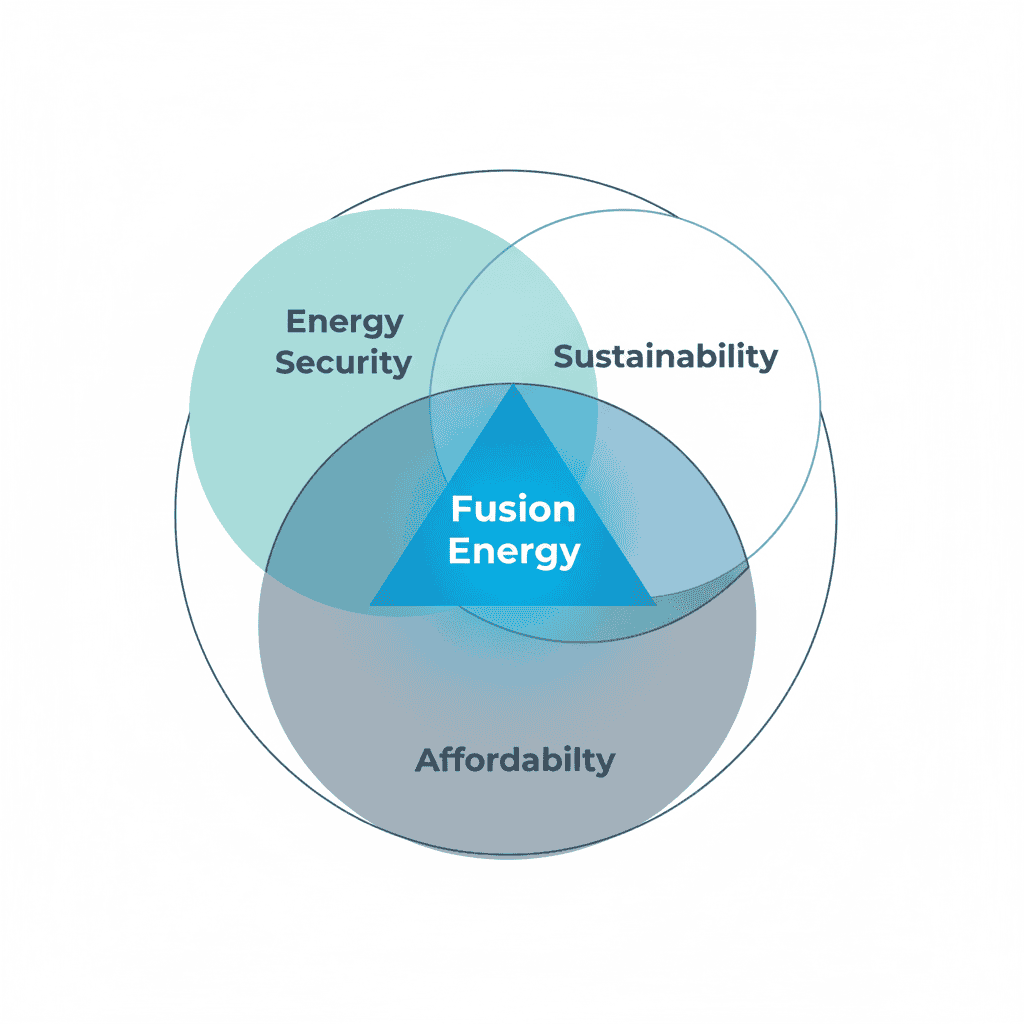
I. The Imperative for Fusion: Solving the Energy Trilemma
The modern grid must juggle security (resilience against shocks and state leverage), sustainability (deep decarbonization), and affordability. Fossil fuels remain geopolitically concentrated and carbon-intensive. Renewables, while essential, are intermittent and need firm, dispatchable partners. Fusion promises all three: energy security via widely available fuels, carbon-free operation, and the potential for scalable firm power. One kilogram of fusion fuel contains energy comparable to roughly ten million kilograms of fossil fuel—an energy density that redefines strategic calculus.
II. Fusion Fundamentals: A Star in a Bottle
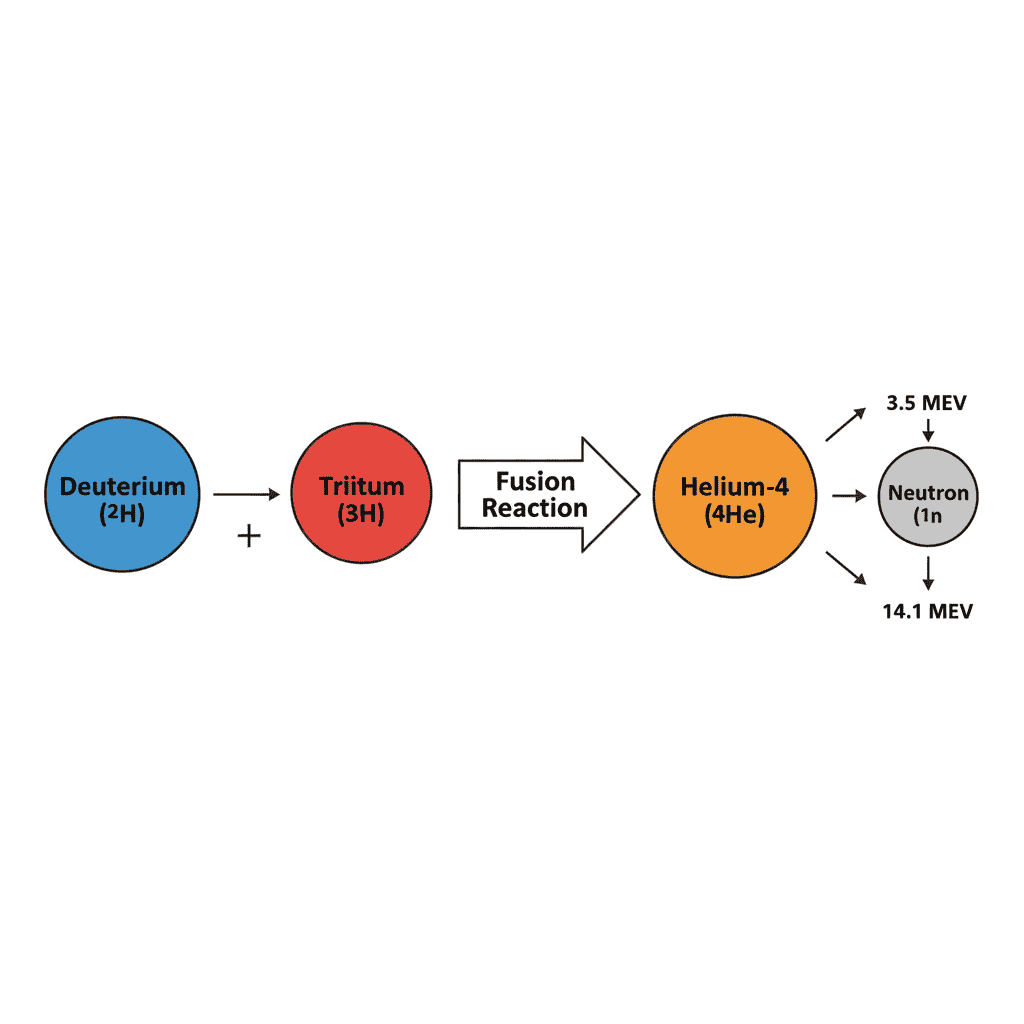
Fusion joins light nuclei to form heavier ones, releasing energy because the product’s mass is lower than the sum of its parts (E = mc²). On Earth, the most practical near-term reaction is deuterium-tritium (D-T), which produces a helium nucleus (alpha particle) and a high-energy neutron, yielding 17.6 MeV per fusion event. The challenge is achieving and maintaining temperatures exceeding 100 million °C while keeping plasma stable and well confined long enough to extract net energy.
Magnetic Confinement: Tokamaks vs. Stellarators
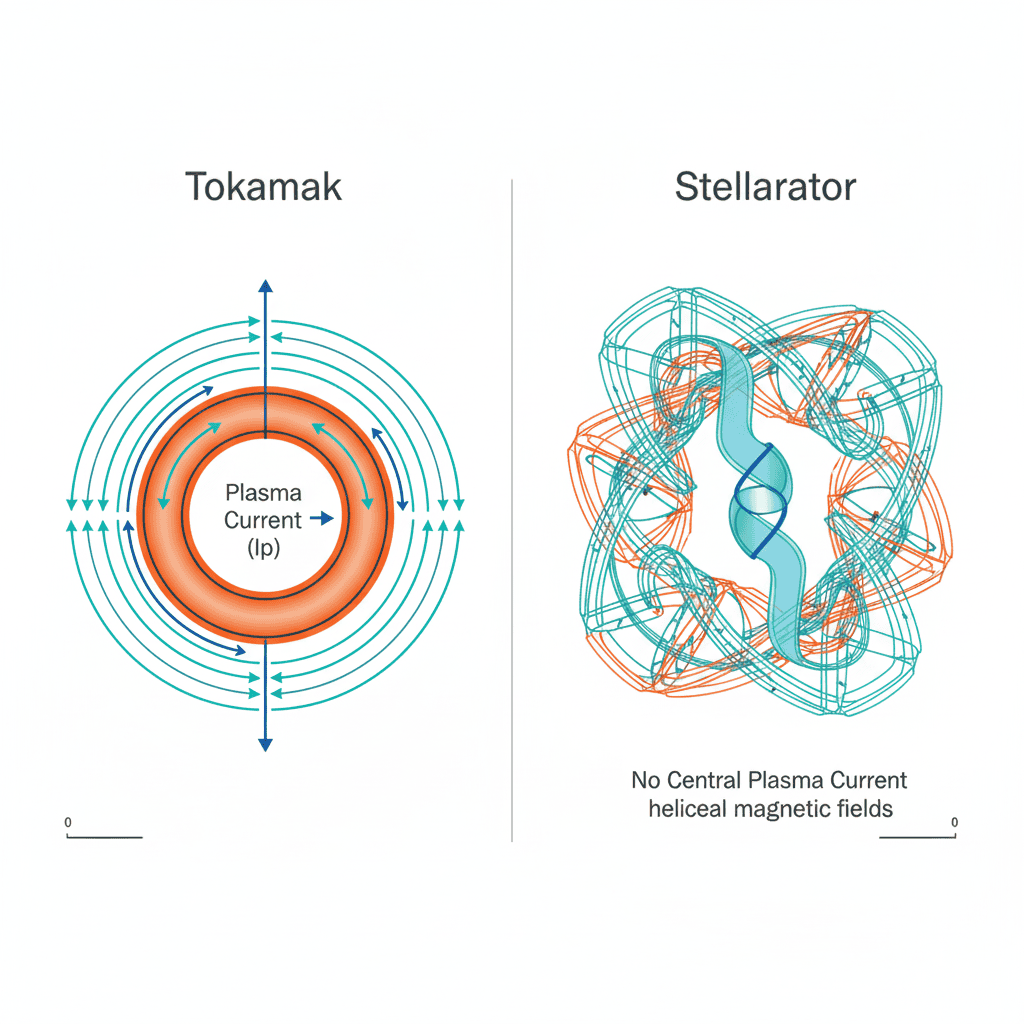
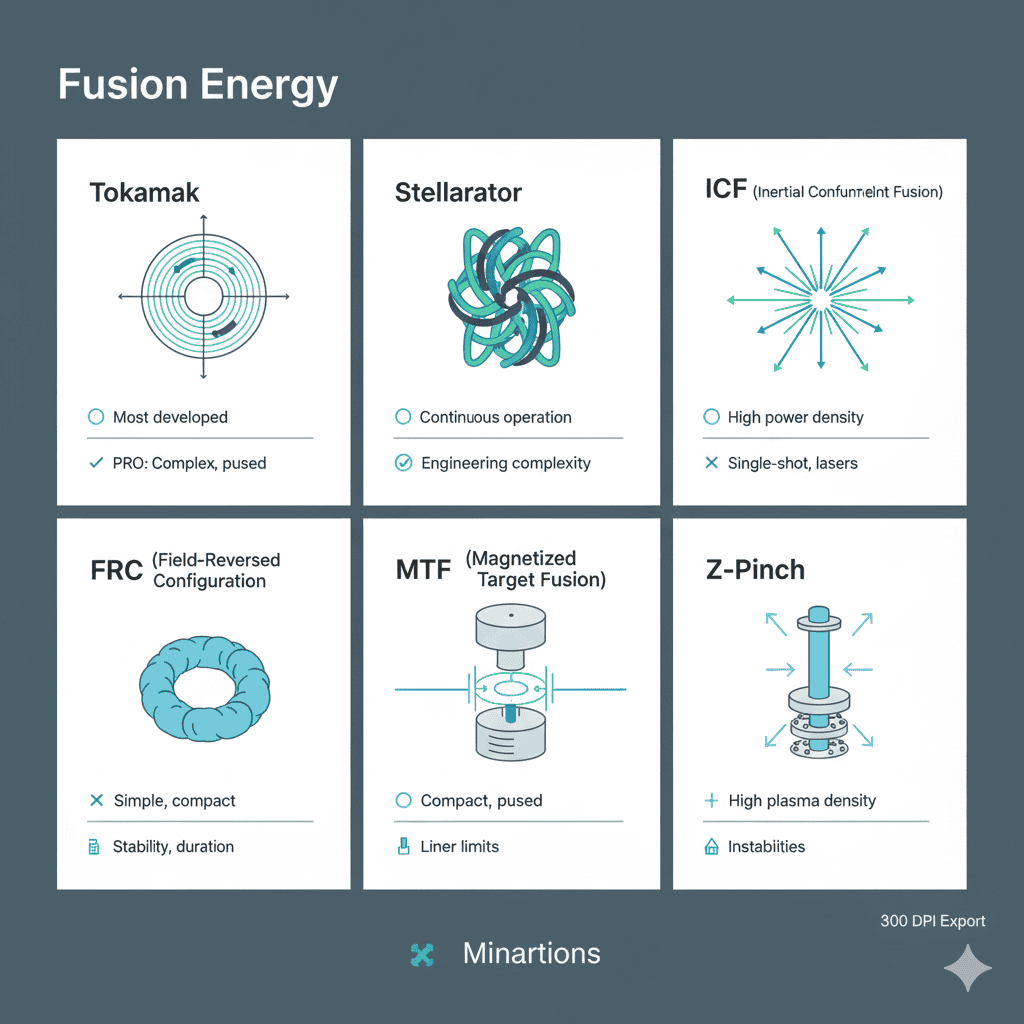
Tokamaks use a doughnut-shaped chamber threaded by strong magnetic fields; a large induced plasma current helps form a helical field that confines the plasma. They’ve led the field for half a century, culminating in ITER’s scale. But they are prone to current-driven instabilities (disruptions) and often operate in pulses.
Stellarators achieve similar helical fields solely with complex external coils—no big plasma current—making them inherently steady-state and disruption-resistant. Their tradeoff is extreme coil complexity and manufacturing precision.
Inertial Confinement: Lasers and Implosion
Inertial Confinement Fusion (ICF) compresses a tiny fuel capsule with powerful drivers—typically lasers—creating a brief, ultra-dense, ultra-hot state where fusion ignites. In December 2022, the National Ignition Facility (NIF) achieved a first: more fusion energy out of the target than laser energy onto it, validating the physics of a self-heating burn. While NIF’s wall-plug efficiency and shot rate are far from power-plant conditions, ignition electrified the field.

Hybrid & Alternative Concepts
Private ventures are reviving and remixing old ideas with modern tech:
- Magnetized Target Fusion (MTF) – General Fusion: inject a magnetized plasma into a liquid-metal vortex, then compress it with synchronized pistons.
- Field-Reversed Configurations (FRC) – Helion and TAE: compact plasma rings stabilized and heated by particle beams; long-term ambition for aneutronic fuels.
- Z-Pinch – Zap Energy: a massive current through the plasma creates its own confining field; simplicity is the appeal, stability is the challenge.
III. The Public Sector Vanguard: Megaprojects That De-Risk the Field
ITER: The Global Gamble on a Burning Plasma
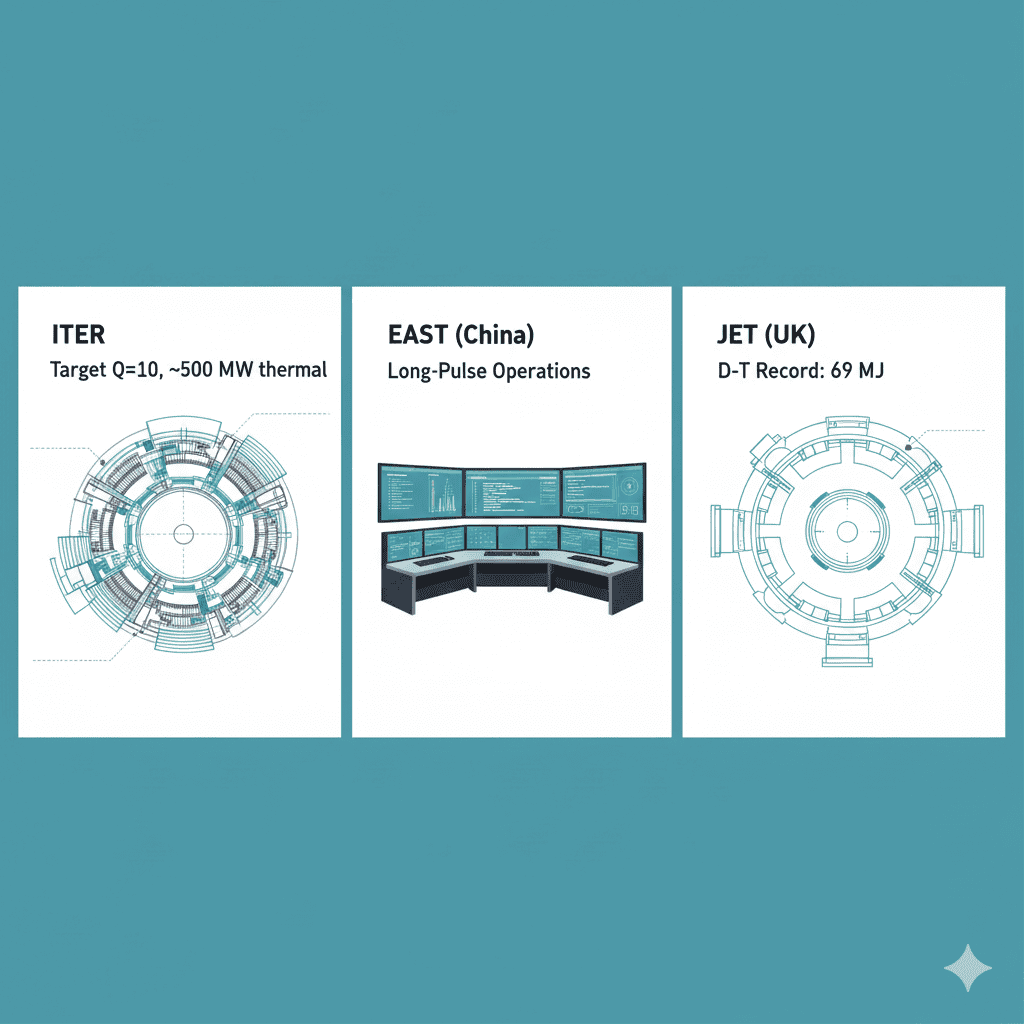
In Cadarache, France, ITER is the most ambitious science project on Earth. Its goal is not electricity, but proof: sustain a burning plasma with a net energy gain of Q = 10 (500 MW thermal from 50 MW heating). Debt of delays and cost overruns is real, and full D-T operation is now slated for the late 2030s. Yet ITER is the only machine designed to test reactor-scale systems—like tritium breeding modules—in an integrated environment.
EAST: China’s Quest for Steady State
China’s superconducting tokamak, EAST, has set records for long-pulse high-performance plasmas (over 1,000 seconds), building the operational playbook for steady-state fusion. It doesn’t chase net energy, but its lessons feed China’s next steps (CFETR) and inform ITER’s operating scenarios.
JET: The Legendary Precursor
The UK’s Joint European Torus (JET) closed in 2023 after four decades that culminated in a D-T energy record of 69 MJ over a sustained pulse. JET retired as the most successful fusion experiment to date, handing a data trove to ITER and the wider community.
IV. The Private Sector Disruption: A Cambrian Explosion
Startups backed by deep-tech investors are compressing timelines and shrinking designs.
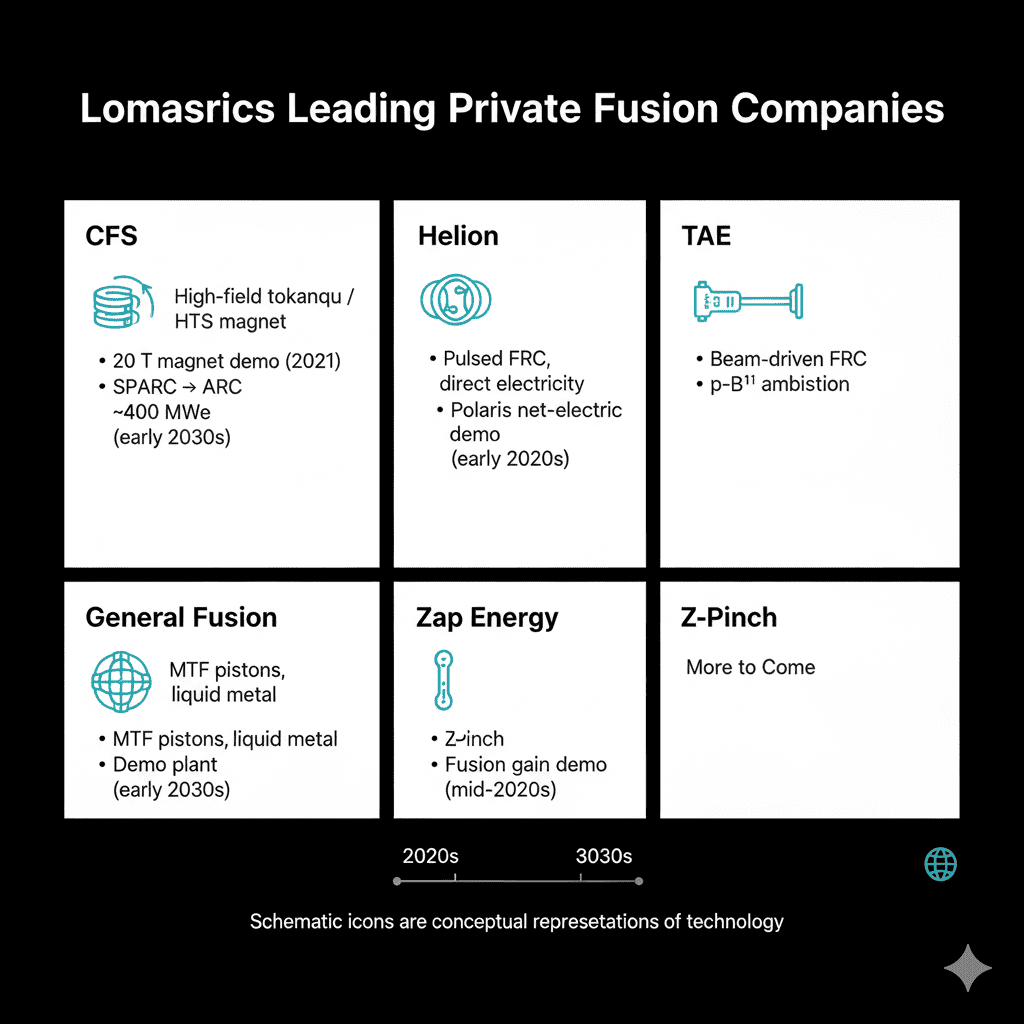
Commonwealth Fusion Systems (CFS): The High-Field Shortcut
CFS’s core bet is high-temperature superconducting (HTS) magnets made from REBCO tape. In 2021, CFS and MIT demonstrated a sustained 20-Tesla magnet—nearly twice ITER’s field. Since fusion power scales roughly as B⁴, stronger fields enable smaller, cheaper reactors. SPARC aims to demonstrate net energy, paving the way for ARC, a ~400 MWe plant concept targeting early 2030s deployments.
Helion Energy: Direct Electricity
Helion’s pulsed FRC devices collide magnetized plasmas, then directly convert their expansion energy into electricity by coupling to the machine’s magnetic fields—bypassing steam turbines. Long-term, Helion targets aneutronic operation via He-3 bred in-house from D-D reactions. The Polaris prototype is intended to be a first-of-its-kind net-electric demonstrator.
TAE Technologies: Beam-Driven Stability and p-B¹¹ Ambition
TAE’s linear FRC uses powerful neutral-beam injection for heating and stability, with an eventual pivot to proton-boron-11 fuel—aneutronic and elegant, but demanding. AI partnerships accelerate optimization, while successive machines scale temperature and confinement.
General Fusion & Zap Energy
General Fusion integrates compression, wall protection, and tritium breeding in a liquid-metal system driven by synchronized pistons. Zap Energy pursues a minimalist Z-pinch stabilized by sheared flows—if it tames instabilities, it could be radically cost-effective.
V. Critical Enablers and Enduring Challenges
AI: The Digital Brain of the Reactor
Plasma evolves in milliseconds. Modern controllers—reinforcement-learning agents and physics-informed ML—ingest streams from hundreds of diagnostics, predict instabilities, and adjust fields and heating in real time. Early deployments show suppression of tearing modes and edge-localized modes that would otherwise erode walls.
The Superconductor Revolution
REBCO HTS tapes push magnets to higher fields and higher operating temperatures (~20 K versus ~4 K for LTS), simplifying cryogenics, shrinking machines, and cutting capital cost—the single biggest driver of LCOE for fusion.
Materials Under Fire
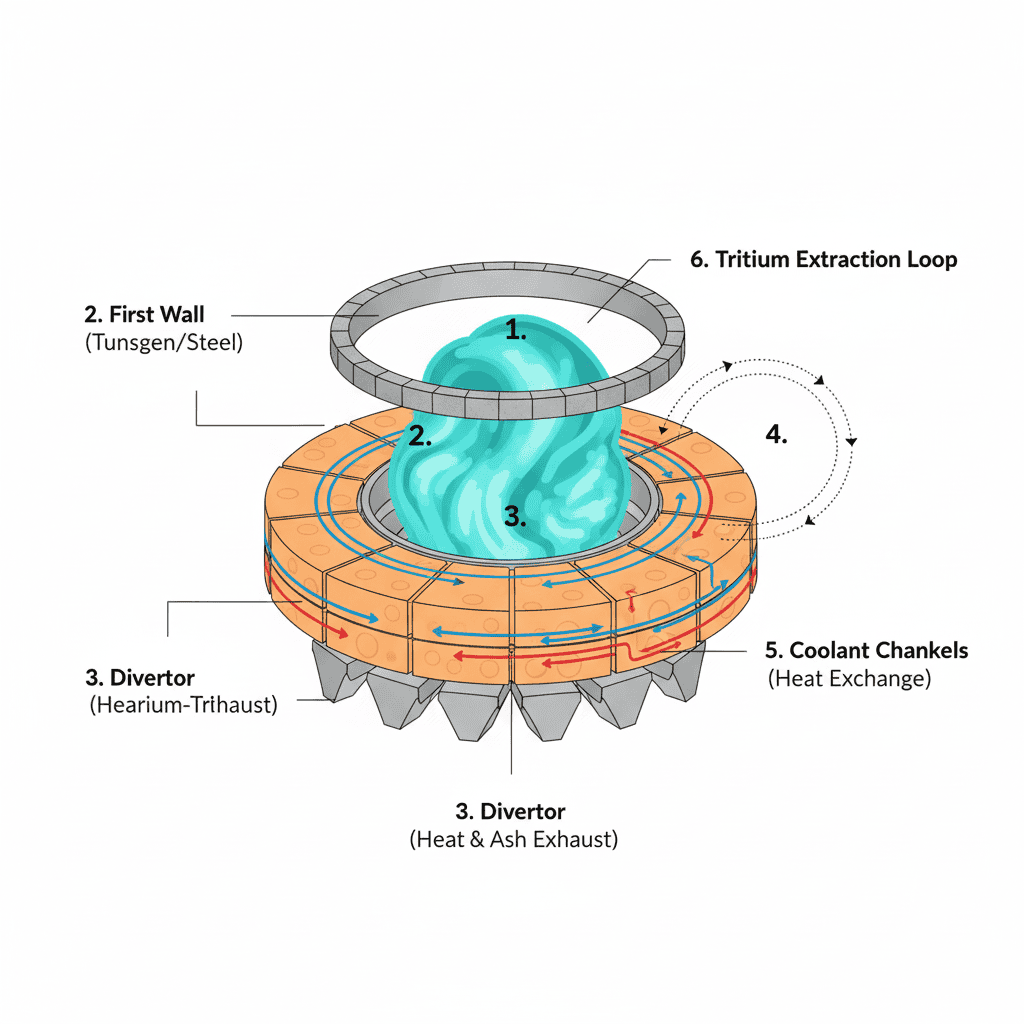
The first wall and divertor face 14.1 MeV neutrons, intense heat fluxes, and plasma bombardment. Tungsten, reduced-activation steels, and vanadium alloys are leading candidates, but component lifetimes must be proven under fusion-spectrum neutrons—demanding new test facilities and clever engineering (e.g., liquid metals, advanced cooling, novel geometries).
The Tritium Fuel Cycle
D-T fusion depends on tritium self-sufficiency. Breeding blankets surrounding the plasma must achieve a tritium breeding ratio above unity to offset decay, extraction inefficiencies, and retention in walls. ITER will test small blanket modules; a commercial-scale blanket remains a key milestone.
VI. The Path to Commercial Viability
Economics: Firm Power in a Renewable Grid
Fusion won’t undercut solar or wind on raw cents per kWh. Its value is as firm, dispatchable, carbon-free capacity that complements variable renewables. Modeling suggests broad adoption hinges on capital cost: early plants must push below competitive thresholds with advanced fission and long-duration storage (often cited around $3,500/kW). Flexible operation—ramping and thermal storage—can boost revenue in solar-heavy markets.
Optional: Illustrative LCOE Comparison (Mock Data)
(If your CMS blocks scripts, replace with a static image.)
Regulation: A New Nuclear Category
In 2023, the U.S. Nuclear Regulatory Commission created a separate pathway for fusion under by-product materials rules—acknowledging fusion’s lower hazard profile than fission. The UK and others are crafting similar frameworks. Clear, risk-appropriate licensing reduces investor uncertainty and shortens time-to-market.
Geopolitics: A New Energy Order
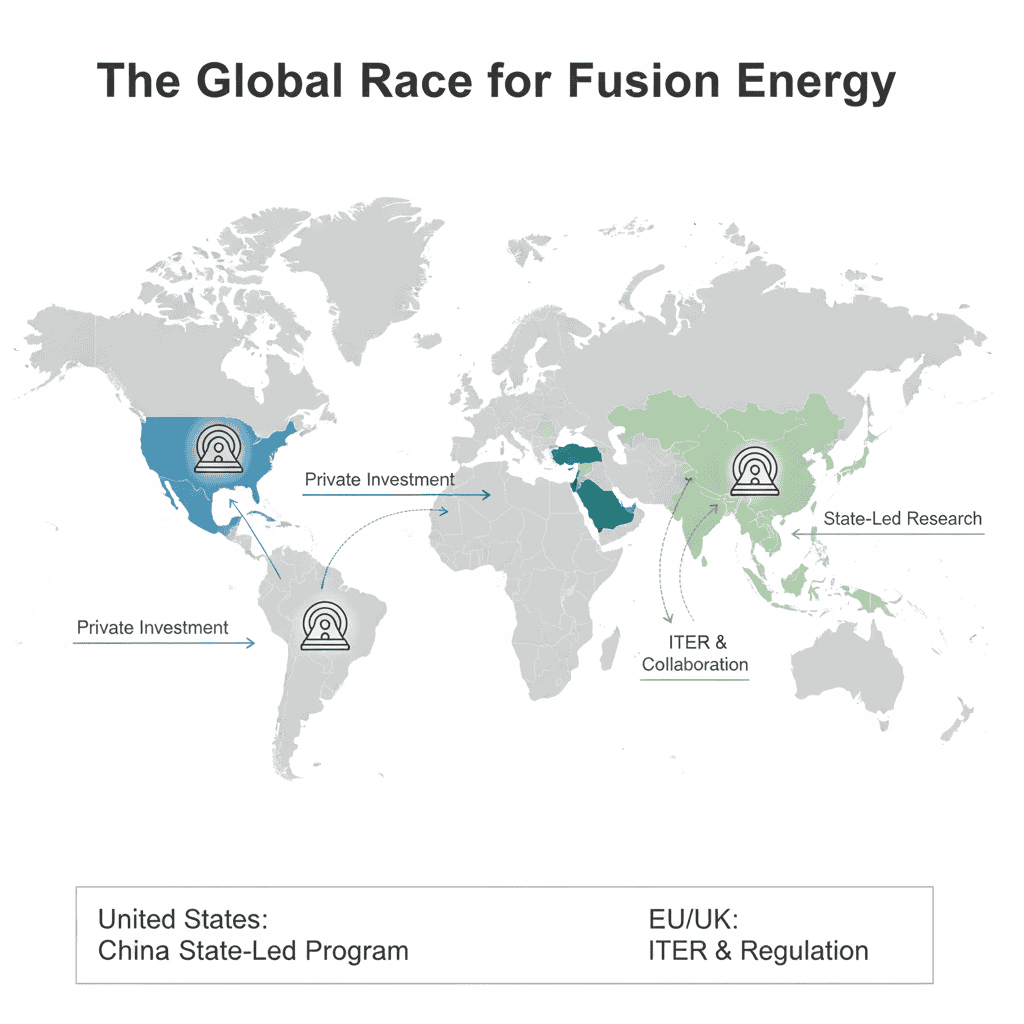
The first group to commercialize fusion gains more than power; it gains leverage. The U.S. currently leans on a vigorous private ecosystem; China advances a state-led strategy and dominates patent counts. Widespread fusion would dilute the geopolitical clout of fossil exporters and shift influence to technology leaders who set standards, own IP, and supply equipment and services.
VII. Synthesis & Outlook: The Dawn of the Fusion Age
A rare convergence is underway: public megaprojects proving physics at scale; HTS magnets unlocking compact, high-field machines; AI stabilizing plasmas in real time; and regulators clearing bespoke paths to market. Private ventures now speak in terms of the early 2030s for first power plants, with broader deployment likely in the 2040s as materials, blankets, and supply chains mature.
Fusion is not the 2030 climate silver bullet—that decade belongs to renewables, efficiency, grids, and storage. Fusion is the backbone for the second half of the century: firm, clean, energy-secure power at planetary scale. For the first time, the question is less “if” than “how soon, which path, and who leads.”

Similar Posts
From Miracle Material to Viable Solution: Graphene and the Future of Global Water Security
From Miracle Material to Viable Solution — The Truth Beyond The Fog NebulaReports Science & Innovation • Feature • September…
The Acceleration Engine: How AI Is Reshaping Industries, Science, and the Future of Humanity
The Acceleration Engine: AI, Automation, and the Redefinition of Global Industries and Scientific Discovery — The truth Beyond The Fog…
Forged in Conflict, Focused on the Future: The U.S. Air Force at 78
Forged in Conflict, Focused on the Future – The Truth Beyond The Fog NebulaReports Feature • Analysis • September 2025