Forged in Conflict, Focused on the Future: The U.S. Air Force at 78
Feature • Analysis • September 2025
Introduction
On September 18, 2025, the United States Air Force marks seventy-eight years as a separate service. A birthday is often treated as a ceremonial pit stop, a comfortable moment for cake, speeches, and throwback photos. But military anniversaries are never only about nostalgia. They are also a mirror and a measuring stick—times to ask whether the institution forged by earlier generations still fits the world it must deter and, if required, fight in today. The Air Force meets this anniversary at a hinge point. It remains the engine of American power projection, the guarantor of air and space superiority, and the laboratory where many of tomorrow’s tools of deterrence are being born. Yet it is also grappling with an aging fleet, uneven readiness, and a modernization bill that must be paid while meeting daily global taskings.
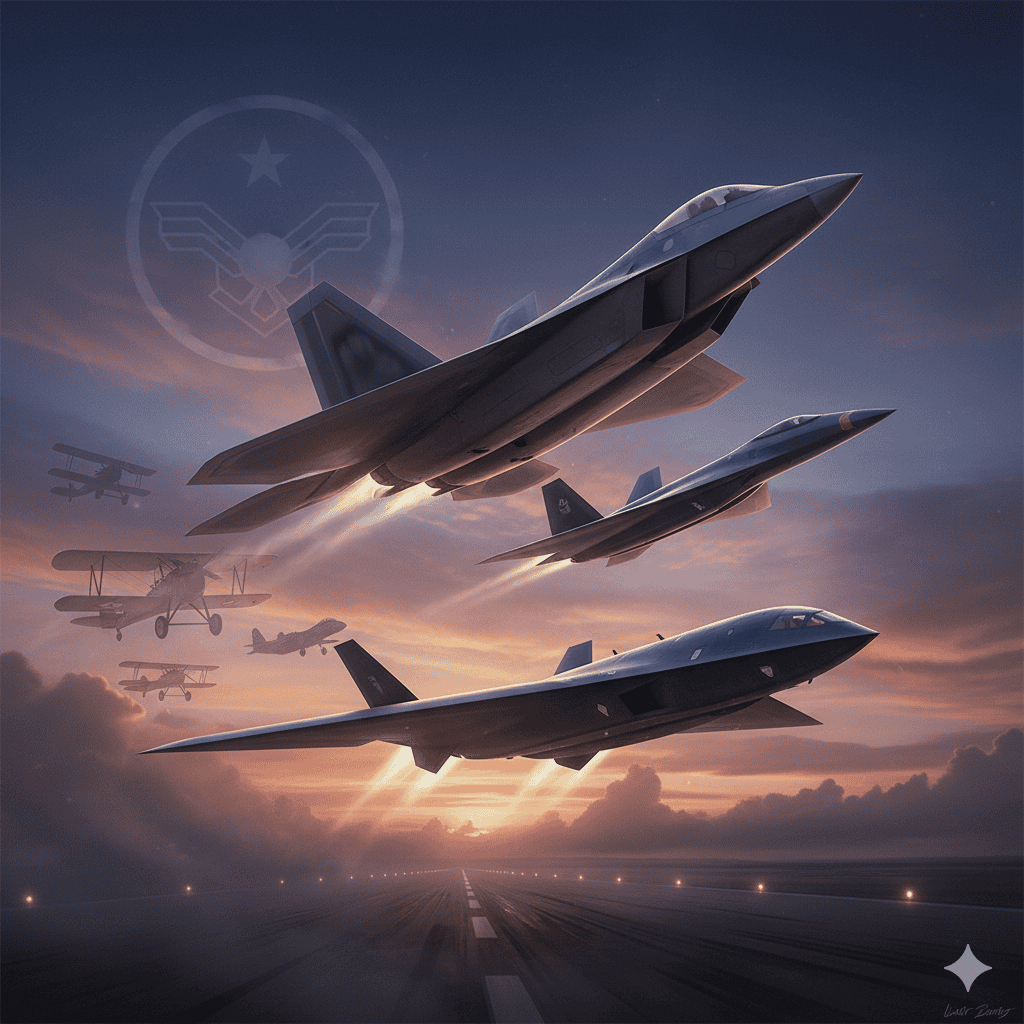
This is the paradox at the heart of the seventy-eighth birthday: a service simultaneously stretched thin and racing ahead; smaller than the juggernaut of the Cold War yet burdened with wider responsibilities; an organization that has to balance the care of its people with the care of its machines, all while building an entirely new family of systems for a contested future. Understanding how it arrived here—and where it goes next—requires following the long blue line from weather balloons to stealth bombers, from signal flags to satellite constellations, and from dogfights to data fights.
The Long Blue Line: From Signal Corps to Separate Service
Genesis (1907–1917)
The story begins inside the U.S. Army Signal Corps, which created an Aeronautical Division in 1907 with a mandate that sounds quaint today: oversee “ballooning, air machines, and kindred subjects.” Early efforts were improvised and experimental, more laboratory than warfighting arm. When the Army purchased a Wright airplane in 1909, it was not simply buying the hardware of flight; it was buying into a new way of seeing the battlefield. Balloons and fragile aircraft offered a vantage point, a means to watch and warn. The young aviation community had to fight for resources, legitimacy, and a place in a hierarchy dominated by infantry and artillery, but it also had something those branches did not: an aura of the future.
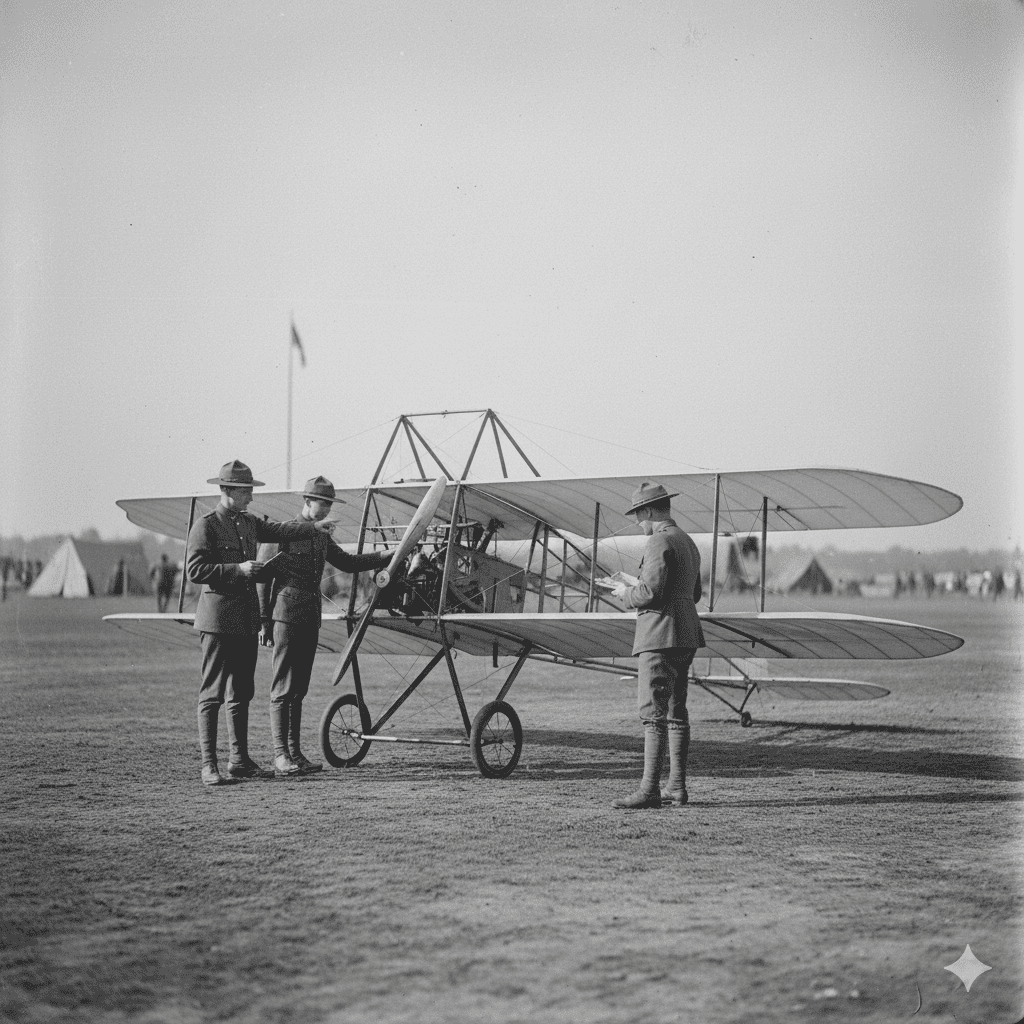
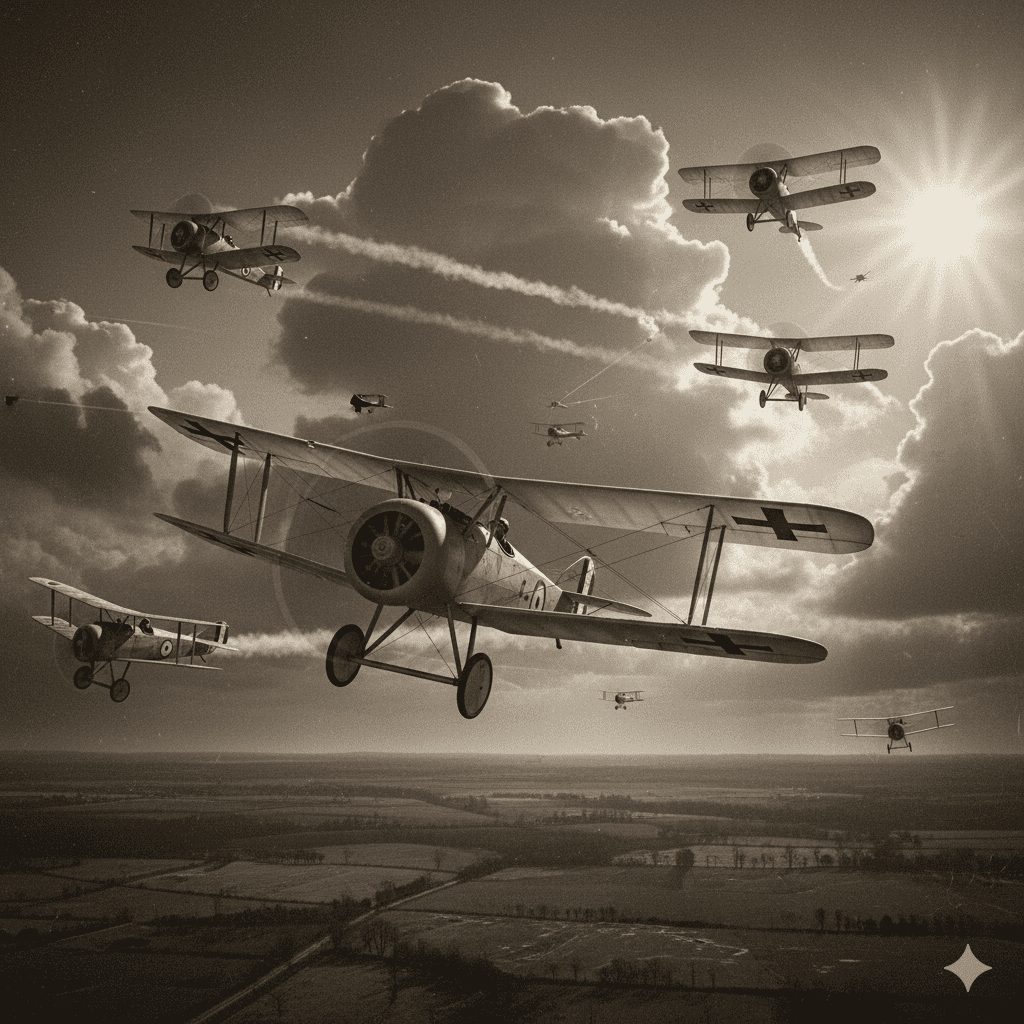
America’s entry into World War I converted curiosity into necessity. Observation aircraft mapped trenches, directed artillery, and chased reconnaissance planes; pursuit pilots dueled in a new arena where altitude, energy, and nerve decided survival. Heroes like Eddie Rickenbacker entered the American imagination, but less visible changes were equally decisive: the standardization of training, the creation of maintenance and supply systems, and the first systematic thinking about how control of the air changes war on the ground. The Air Service of World War I left the United States with more than trophies—it left a strategic question that would define the next quarter century: Was airpower merely a supporting arm, or could it decide wars on its own?
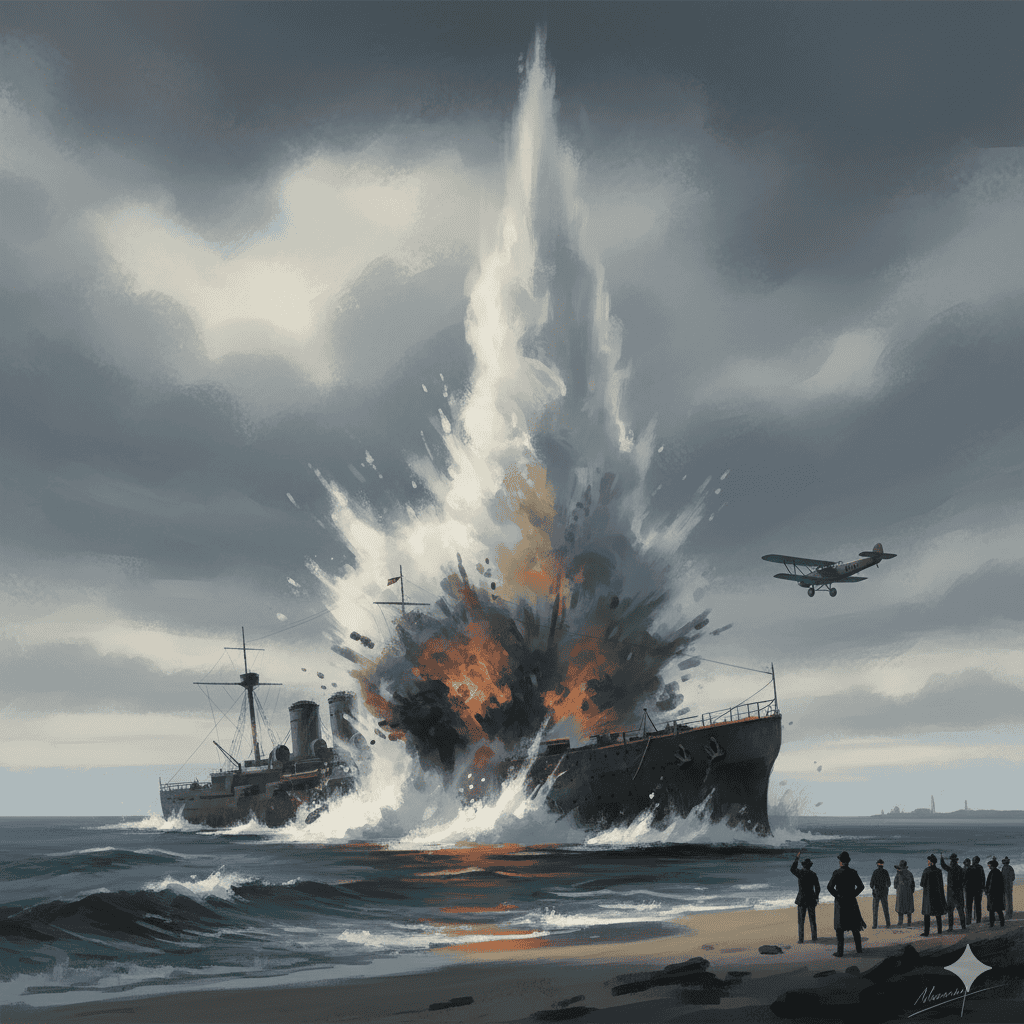
The interwar years were a tug-of-war between visionaries and the gravitational pull of tradition. Brigadier General Billy Mitchell’s demonstrations, culminating in the sinking of the captured German battleship Ostfriesland, shocked a world that still believed battleships were untouchable. The newly named Army Air Corps refined theories of strategic bombing, experimented with all-metal airframes and long-range navigation, and probed the boundaries of what aircraft could do. Budgets were thin and institutional opposition was real, but a cadre of officers built a body of doctrine and a culture that prized innovation under constraint—habits that would matter when war returned.
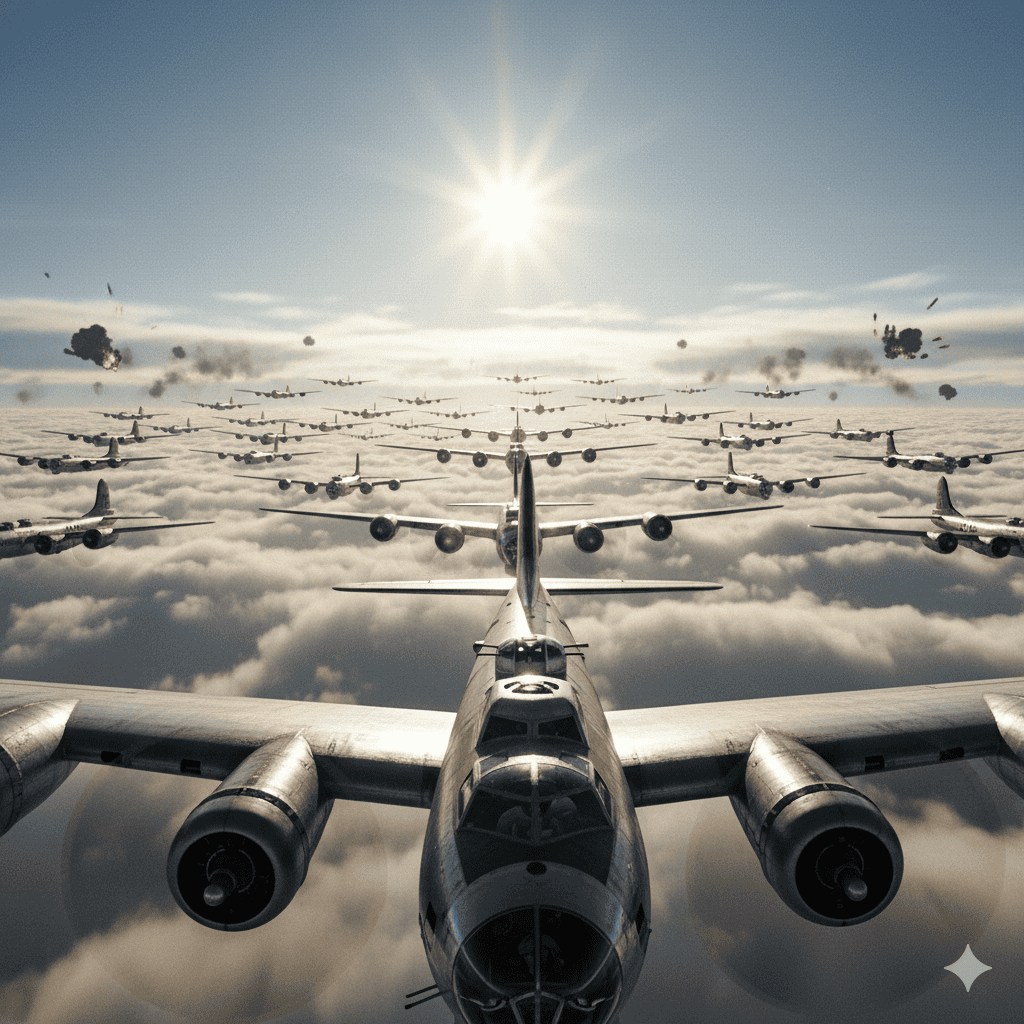
World War II answered the strategic question decisively. The Army Air Forces grew with breathtaking speed, fielding an armada of bombers and fighters, building global logistics networks, and integrating intelligence, weather, and communications in ways that made air campaigns possible on a continental scale. Strategic bombing sought to break industrial capacity and national will; tactical airpower hammered bridges, rail yards, and armored spearheads, and fought for local control of the air so that armies and fleets could maneuver. By war’s end, air superiority was no longer a luxury; it was a prerequisite for victory. The sheer scale of the enterprise convinced leaders that airpower was not just a branch—it was a domain of war with its own logic, requirements, and responsibilities.
The National Security Act of 1947 recognized what the war had revealed: airpower required a dedicated service. The United States Air Force stood up with a clear mandate—secure the skies, project power at range, and, in the nuclear era, provide a credible strategic deterrent. In the decades that followed, from the Berlin Airlift to Korea, from Vietnam to Desert Storm and beyond, the Air Force refined precision attack, stealth, global mobility, and the sophisticated command-and-control architectures that knit joint operations together.
Celebrating 78 Years of Airpower
Across bases and communities, the seventy-eighth birthday is marked by rituals that bind generations. At Air Force Balls, the most senior and most junior Airmen cut the cake together—a living metaphor for continuity. Dining facilities roll out celebratory menus, museums bring veterans face-to-face with young maintainers and cadets, and local schools host flyover talks that begin with simple questions—What’s that airplane?—and end with deeper ones: What does it mean to serve? These ceremonies matter because they remind the force why it exists. They connect the meticulous work done in hangars and command posts to the lives of families who count on the Air Force to be ready when the nation calls.
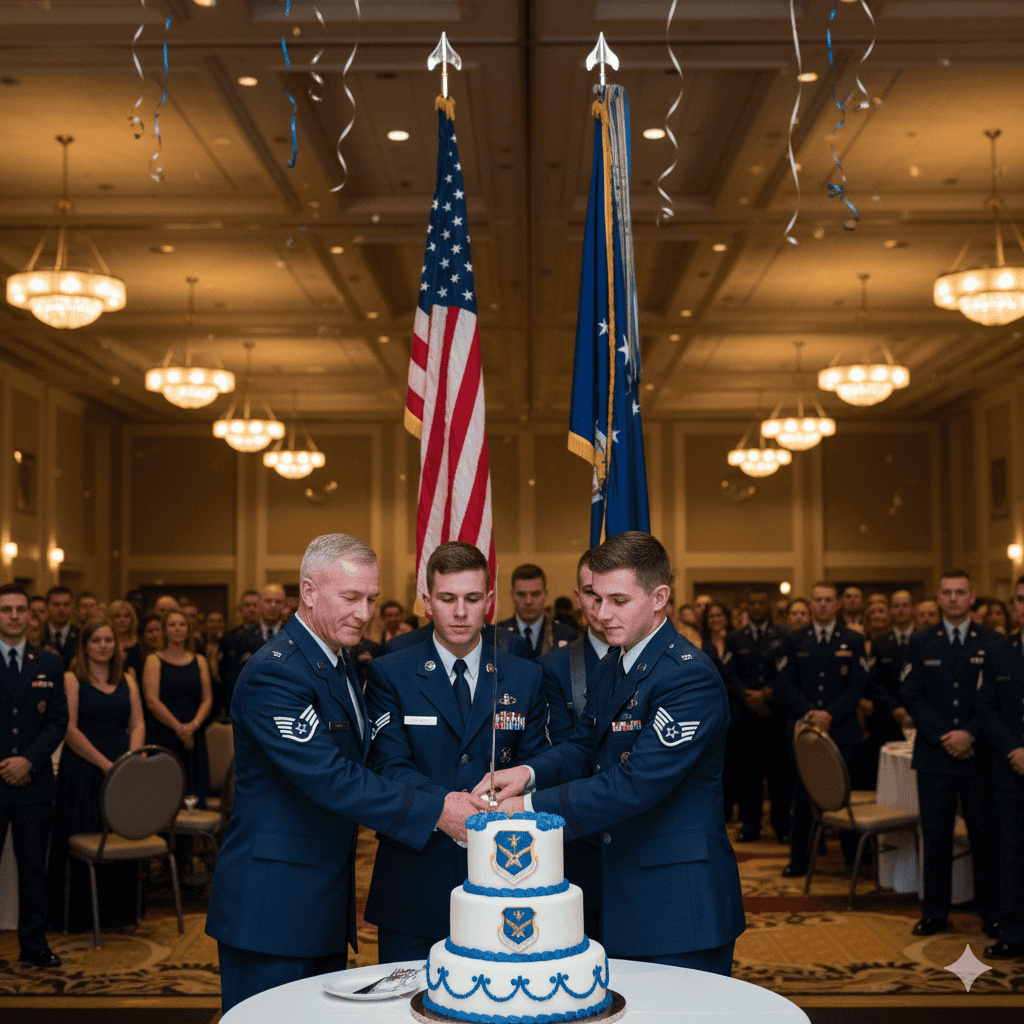
“Fueled by Airmen”: The Human Engine of Airpower
Technology often steals the spotlight, but people are the true asymmetric advantage. The modern Air Force is a mosaic—pilots and sensor operators, crew chiefs and propulsion specialists, air battle managers and cyber defenders, logisticians, medics, finance and contracting pros, intelligence analysts, instructors, and guardians of mental health. Awards programs that recognize Outstanding Airmen of the Year and leadership exemplars named for heroes like Lance P. Sijan are not pageantry; they are feedback loops, surfacing excellence and broadcasting the behaviors that keep a complex enterprise resilient. In an era when the force is expected to do more with less, innovation often begins at the unit level: a maintainer who builds a tool that saves hours of rework, a programmer who automates a soul-crushing spreadsheet, a flight commander who rewrites a training sequence so that every sortie teaches two things instead of one.
The Total Force concept—Active Duty, Guard, and Reserve—remains a strategic advantage. Citizen-Airmen bring civilian expertise in data science, energy, healthcare, and manufacturing that short-circuits the slow diffusion of best practices. Diversity of background and thought is not just a moral good; it makes the force smarter and faster, especially in problem spaces like AI ethics, human-machine teaming, and information warfare where technical choices have social consequences. The through-line is simple: airplanes don’t generate combat power; Airmen do.
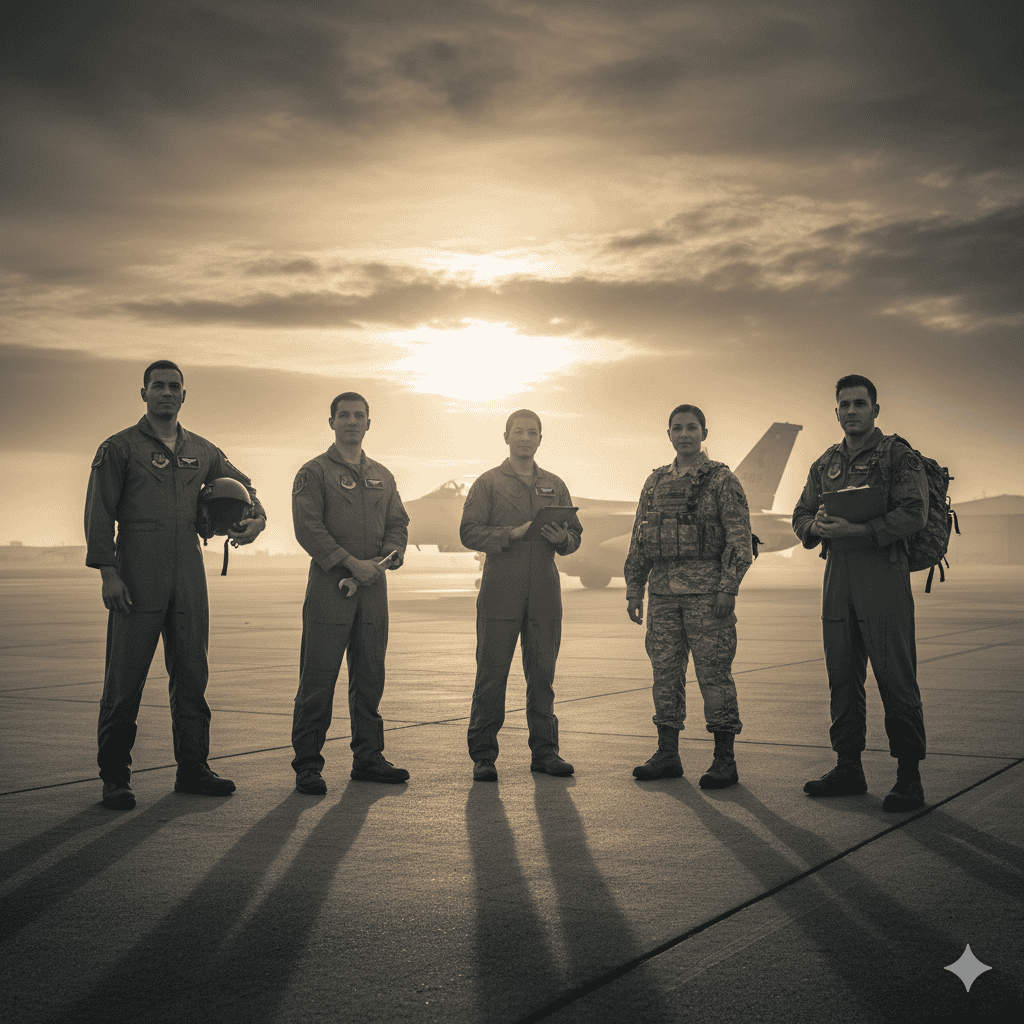
The Innovation Imperative: Designing the Future Force
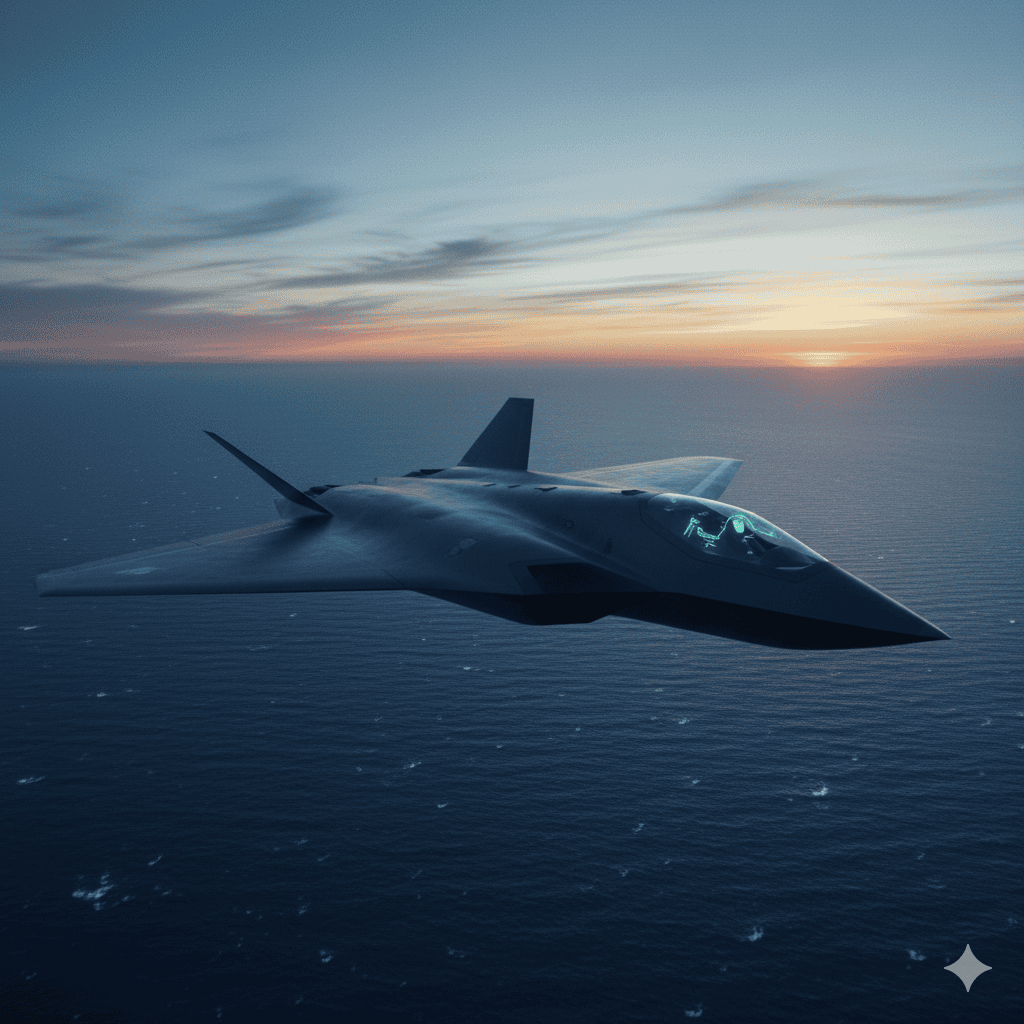
The central strategic problem of the next decade is clear: how to project power across vast distances against adversaries who can see, shoot, and disrupt at scale. The answer will not be a single “silver bullet” aircraft but a family of systems—crewed platforms working with collaborative combat aircraft; networks that stitch sensors, shooters, and decision-makers into a coherent picture; and software that turns floods of data into timely, trustworthy choices. Stealth and speed still matter, but so do modular open systems that invite rapid upgrades, digital engineering pipelines that shorten development cycles, and sustainment models that treat availability as a design requirement rather than an afterthought.
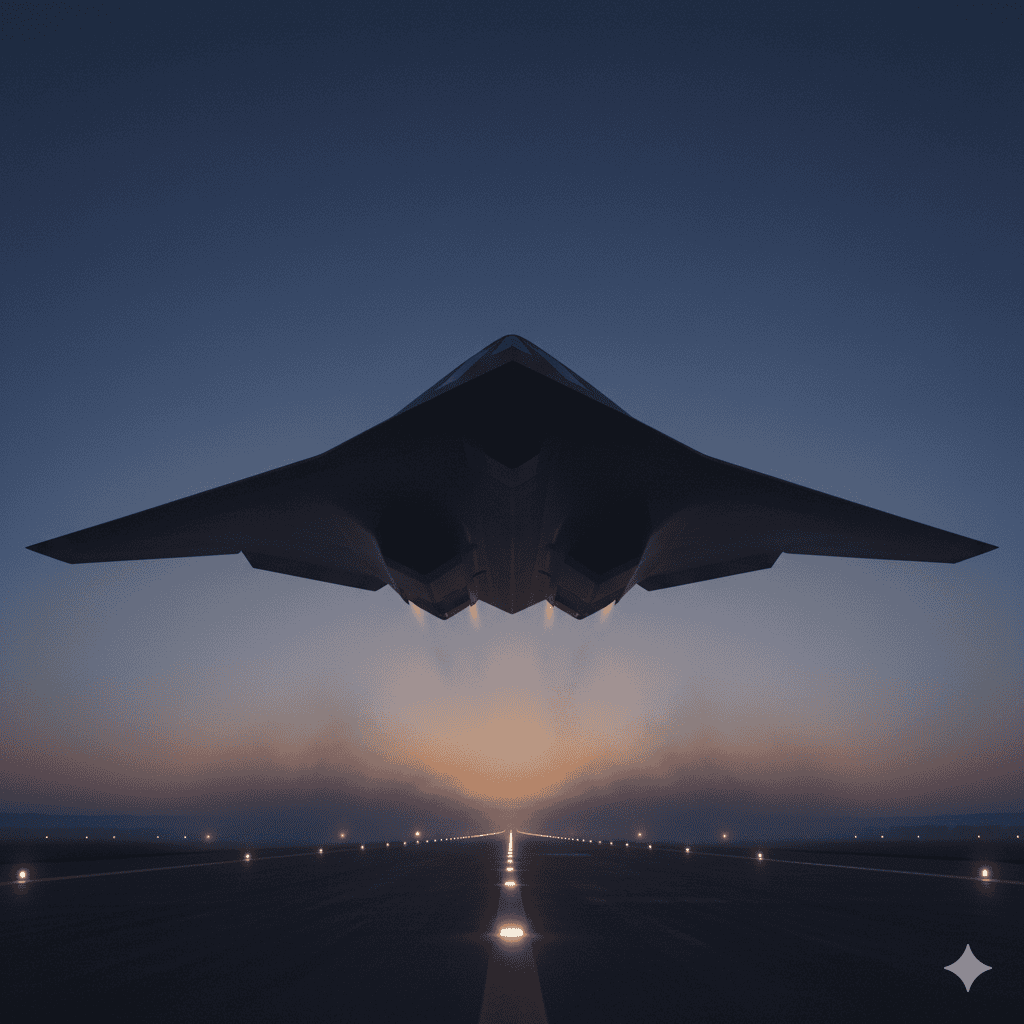
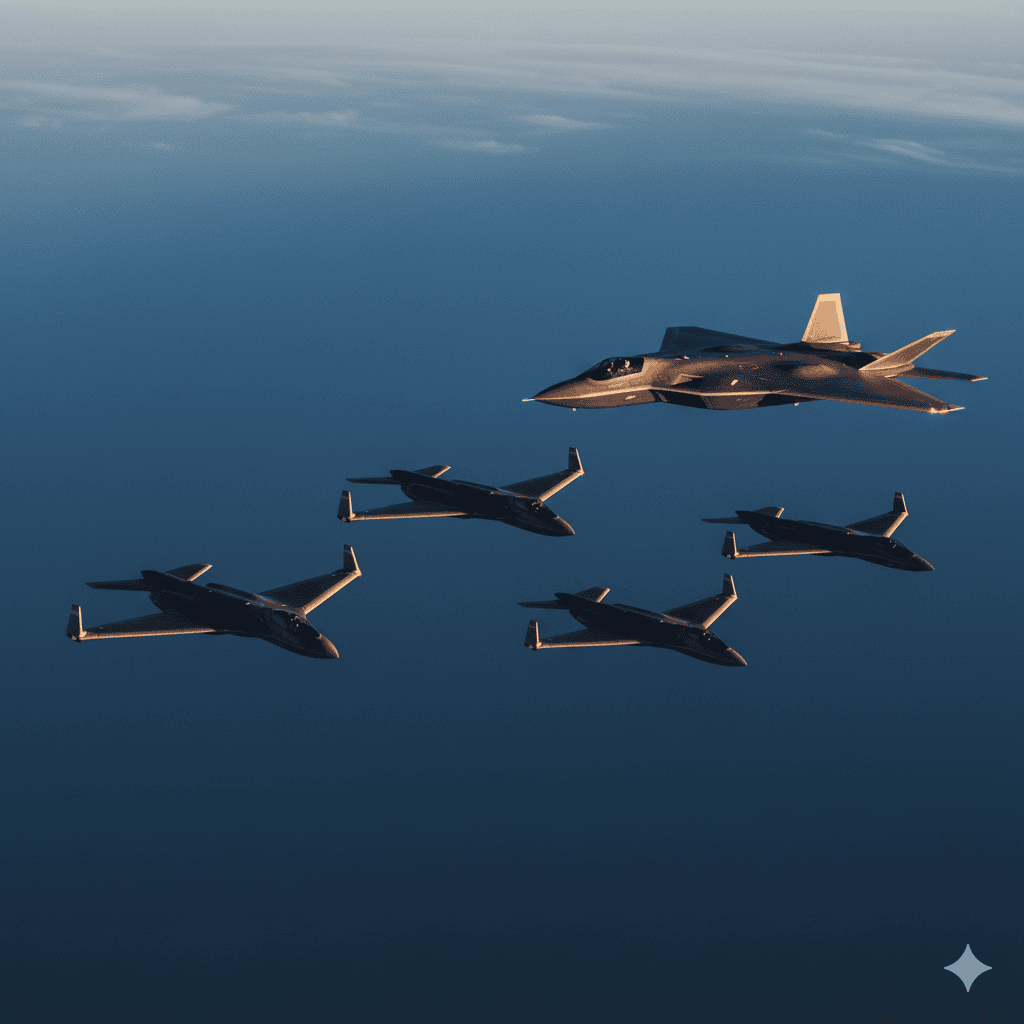
Long-range bombers able to penetrate sophisticated air defenses form one leg of this future, delivering either conventional or strategic effects. New-generation air dominance fighters will emphasize range, survivability, and the ability to manage a constellation of autonomous teammates. Loyal-wingman drones—variously optimized for sensors, decoys, electronic warfare, or weapons—promise mass at acceptable cost and a way to complicate an adversary’s targeting calculus. In parallel, the Air Force’s partnership with the Space Force is maturing into a true combined arms relationship: satellites provide timing, navigation, warning, and resilient communications; air breathers provide reach, flexibility, and the ability to put steel or electrons on target.
A Candid Assessment: The Readiness Crisis
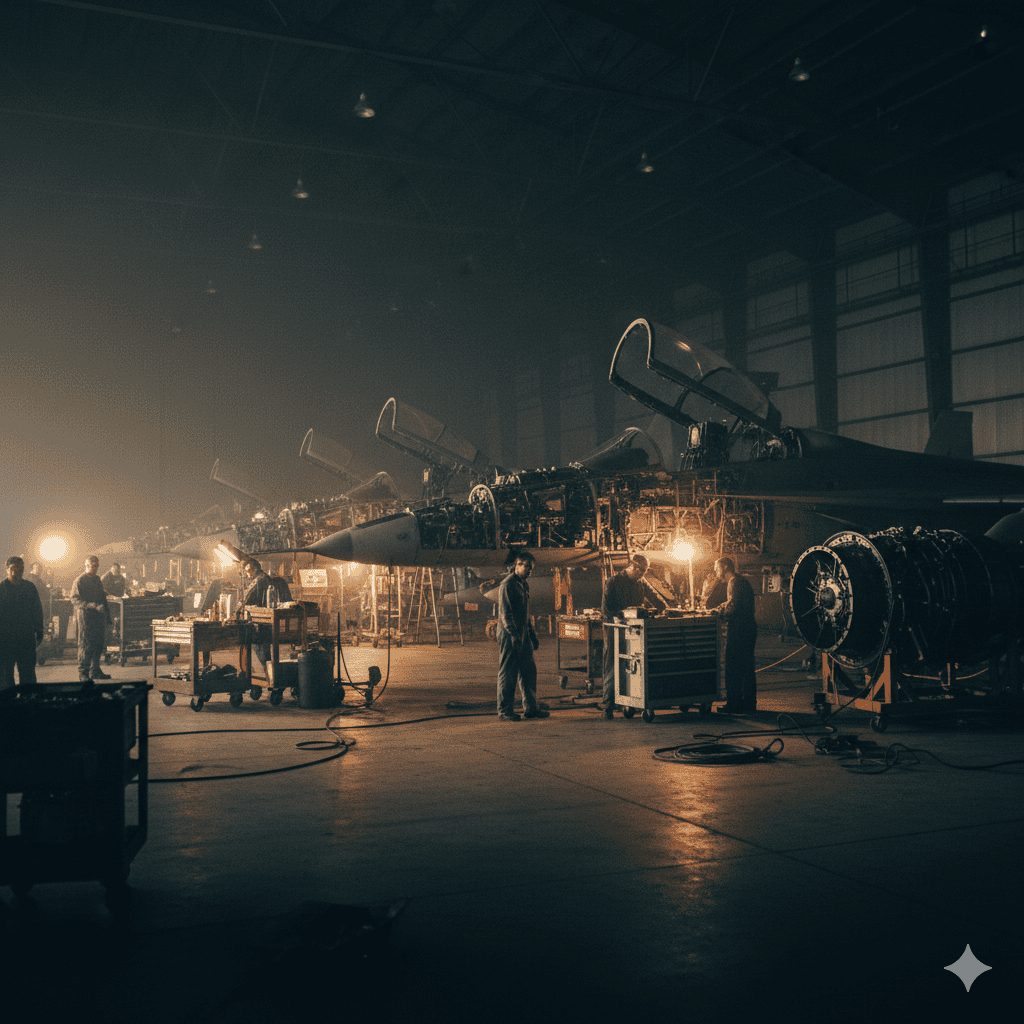
No honest birthday portrait can skip the hard part. The average Air Force aircraft is decades old, and the maintenance burden shows. Mission-capable rates in several fleets have sagged, modernization programs have slipped to the right, and the pilot and maintainer pipelines are under steady pressure. Readiness is not one number but a mosaic of people, parts, training, and time—if any tile cracks, the image degrades. When aircraft wait on back-ordered components, training syllabi stretch, and sortie counts fall, the result is a quieter erosion that only becomes visible when the force is asked to surge. The dilemma is structural: every dollar spent keeping legacy fleets healthy is a dollar not spent fielding the future, but failing to sustain today’s force mortgages deterrence in the present.
There are bright spots. Data-driven maintenance, condition-based monitoring, and digital twins are shortening troubleshooting cycles and improving depot planning. Distributed exercises that blend live, virtual, and constructive elements are teaching tactics against peer threats without burning down flight hours. Global sustainment initiatives that pre-position parts and certify allied depots are building resilience into the logistics web. The question is whether these innovations can scale fast enough to arrest the trend lines while the next generation of systems arrives.
Optional: Readiness Snapshot
(If your CMS blocks inline scripts, embed this via a trusted charts plugin or remove.)
Strategic Outlook: The Race Between Innovation and Readiness
The coming decade will test whether the Air Force can execute a mid-air refuel of its own institution—keeping the current force aloft while installing a new engine. Deterrence in the Indo-Pacific demands reach, survivability, and logistics that can flex under fire. Deterrence in Europe requires the capacity to surge, reinforce, and command in dense electromagnetic clutter. In the Middle East and Africa, persistence and economy of force remain essential. These are not separate problems but facets of the same challenge: aligning people, posture, platforms, and partners so that no adversary can find an exploitable gap.
The solution set is as cultural as it is technical. Agile acquisition that rewards spiral upgrades over decade-long monoliths; software pipelines that treat code as a weapon system; training that normalizes human-machine teams; and alliances that share burdens and industrial capacity. Above all, a relentless focus on the basics—safe flight operations, credible sortie generation, disciplined command and control, and leadership that builds trust. The Air Force has reinvented itself before. It will have to do so again, faster, with fewer assumptions and more humility about how the next fight will actually unfold.
Conclusion: The Next Chapter in the Long Blue Line
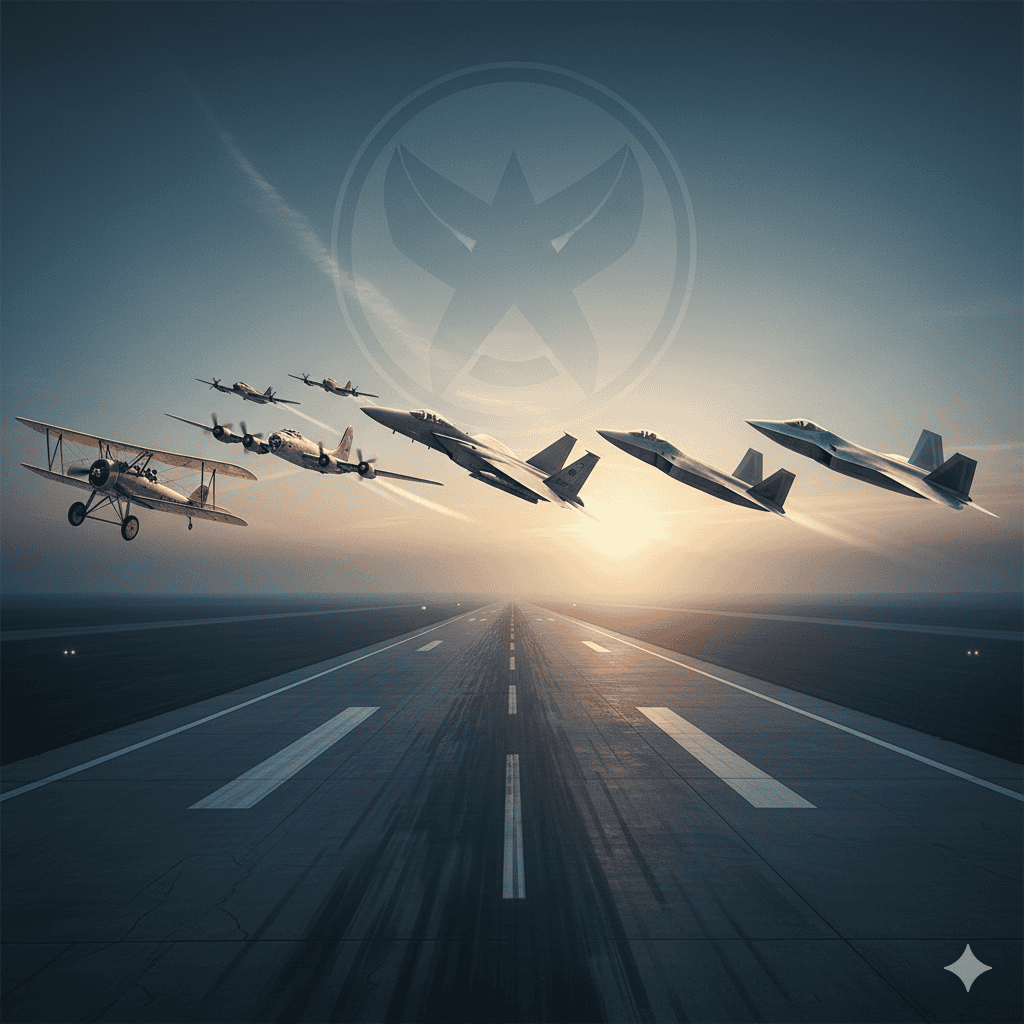
Seventy-eight is not an end point; it is a mile marker. From the fragile wood-and-canvas contraptions of 1909 to stealth aircraft managed by algorithms and fed by constellations of satellites, the through-line is adaptation. The Air Force’s history is a story of people who learned faster than events unfolded, who built the teams and tools they needed when none existed, and who kept faith with a nation that asked them to do hard things far from home. The present is more demanding than at any point since the Cold War: budgets are tight, fleets are old, and the threat is cunning. But the future the service is building—distributed, data-literate, resilient, and teamed with autonomous systems—offers a path to credible deterrence and, if necessary, victory.
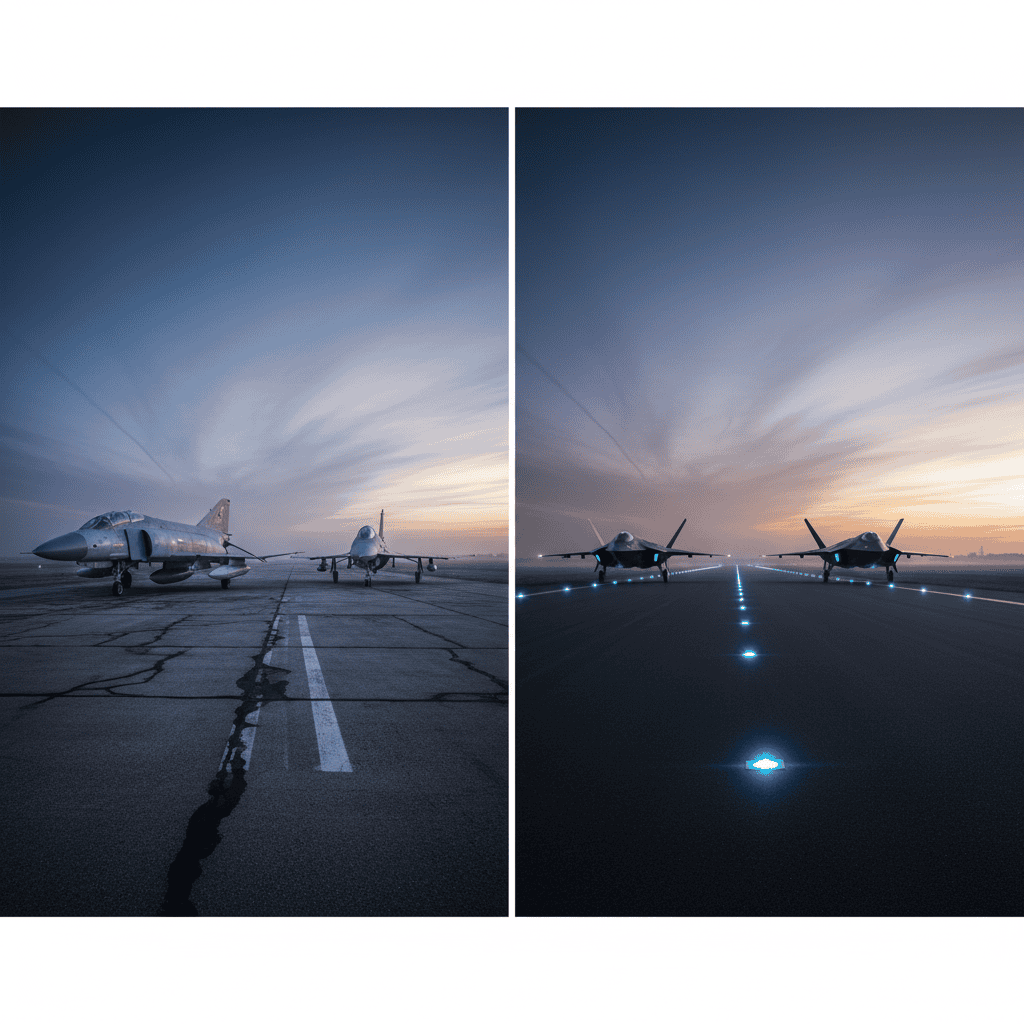
Picture a split runway. On one side, cracks and faded paint, a reminder of aircraft that have carried more than their share. On the other, a freshly poured strip stretching toward a horizon lit by the cold glow of distant constellations. The Air Force at seventy-eight straddles both. Its choice, made daily in depots and test cells, briefing rooms and cockpit checks, will shape not only American airpower but the broader architecture of security for allies and partners who rely on it. The next chapter is already taxiing. The question is how quickly it can rotate and climb.
Similar Posts
From Miracle Material to Viable Solution: Graphene and the Future of Global Water Security
From Miracle Material to Viable Solution — The Truth Beyond The Fog NebulaReports Science & Innovation • Feature • September…
The Acceleration Engine: How AI Is Reshaping Industries, Science, and the Future of Humanity
The Acceleration Engine: AI, Automation, and the Redefinition of Global Industries and Scientific Discovery — The truth Beyond The Fog…
The Fusion Horizon: From Scientific Breakthroughs to Commercial Power
The Fusion Horizon – The Truth Beyond The Fog NebulaReports Feature • Science & Innovation • September 2025